
Live service is a tax on your future self
When you buy a live-service game, you are buying access on the publisher's schedule, not yours. Six recent shutdowns make the cost visible.
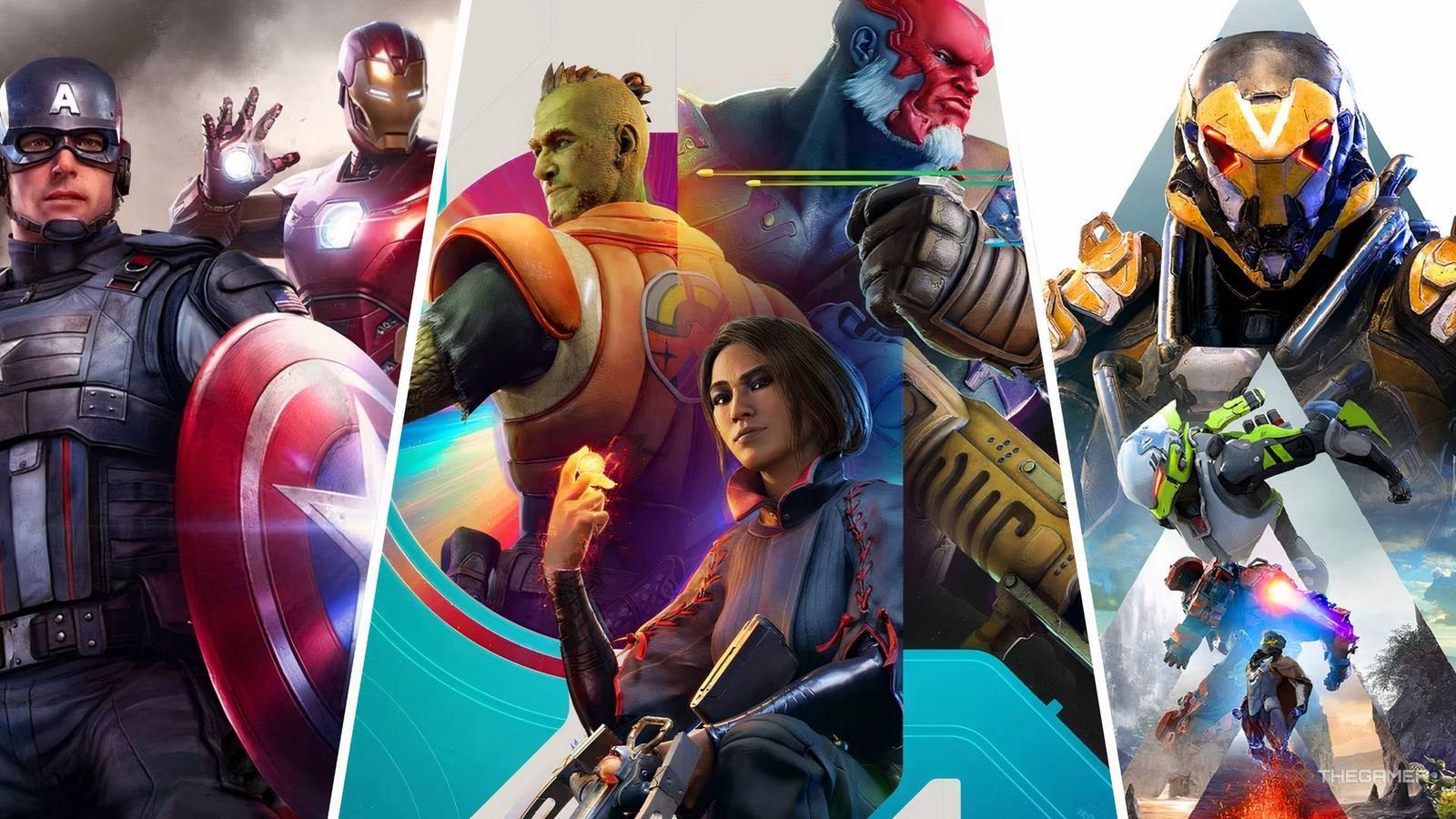
Six games went dark between September 2022 and January 2026 that customers had paid for with the expectation of being able to play them. The publishers' refund stances varied. The pattern did not.
The list:
- Babylon's Fall (Square Enix / PlatinumGames). Released March 2022. Live services ended February 2023. Launch price: $60.
- Knockout City (Velan Studios / EA, then self-published). Released May 2021. Servers shut down June 2023. The game went free during its final months to give players a window.
- Marvel's Avengers (Square Enix / Crystal Dynamics). Released September 2020. Removed from sale September 2023. Services ended on the same date.
- Concord (Firewalk / Sony). Released August 2024. Pulled from sale September 2024 after eleven days. Sony refunded all buyers.
- MultiVersus (Player First Games / Warner Bros). Released July 2024 in its post-beta form. Servers ended May 2025.
- Anthem (BioWare / EA). Released February 2019. Live services scheduled to end January 2026, almost seven years after launch.
Each of these games sold itself, in part, on the promise of future content. Each of those promises was rescinded by a publisher decision. Players who paid full price at launch in some cases had less than two years before the product they bought stopped functioning.
What the contract actually said
The contract was technically clear at every step. Every EULA preserved the publisher's right to shut down at any time. The marketing materials promised content, not access duration. Players who read the small print knew. Almost nobody reads the small print.
The gap that matters is between the experience the marketing sold and the experience the contract delivered. The launch trailer for Marvel's Avengers showed a multi-year roadmap. The text on the box did not. The text on the box was correct in a narrow legal sense and dishonest in any other.
Why publishers ship these
Live service is a financial bet. Publishers ship it because the expected value math is real, not because they set out to deceive.
A single-player game gets a launch spike of revenue and a long, declining tail. A successful live service gets a smaller launch spike and a recurring revenue curve that, in theory, climbs over time as content and player counts accrue. The expected lifetime revenue of a successful live service game is several multiples of an equivalent single-player release. That is the financial history of Fortnite, Destiny 2, GTA Online, Genshin Impact, and a handful of other games.
The expected value math, run on a portfolio basis, encourages publishers to fund live service projects even when the individual game-level success rate is low. On a portfolio basis, one Fortnite is expected to pay for many Anthems.
The cost of that math falling on the customer is invisible to the spreadsheet. The portfolio works for the publisher. The portfolio does not work for the customer who bought Anthem.
The Fortnite exception, examined
The obvious counter is that some live service games keep running. Fortnite is six years old. GTA Online is ten. Destiny 2 is eight. These are real counterexamples and they matter.
The exception holds because the games in question are too profitable to shut down. Shutdown is a quarterly-earnings decision: a live service game keeps running as long as operating revenue exceeds operating cost, and the moment it stops, the cost-cutting team enters the room. The threshold is set by the publisher's accountants, not by the players, so the game can be excellent, have an active community of forty thousand, and still fall below the line.
For Fortnite, the threshold has been clearable for six years. For Marvel's Avengers, it took less than three. The customer cannot reliably predict, at purchase time, which side of the threshold their game will fall on. They are buying a lottery ticket priced as a game.
Game preservation
There is a separate cost. When a single-player game shuts down its launcher, the game often remains playable on disc. When a live-service game shuts down its servers, the game often becomes unplayable on disc, because the game's logic is partly on the servers and partly on the disc. Babylon's Fall is, as of February 2023, an unplayable game. There is no offline mode. There is no patch that would re-enable it. A purchaser holds a disc whose contents will never function again.
The European Citizens' Initiative "Stop Killing Games", filed in 2024, has been collecting signatures on exactly this issue. The legal argument is that the sale of a game in a form that the publisher reserves the right to permanently disable should be regulated. The outcome is not for us to predict. The legal pressure exists because the underlying pattern is now visible enough to organise around.
What the next ten years look like
If the current pattern holds, the rate of live service shutdowns will increase. The publishers that have been writing off live service as a sunk-cost portfolio strategy will continue to do so. The customer-facing experience will continue to be that some percentage of full-price games purchased in any given year will be unplayable within five years.
The customer side of this market has, so far, no real mechanism to push back. Refund policies vary. Class actions are slow. Regulatory action is slower. The thing that would change the dynamics most quickly is a credible labelling standard: a clearly disclosed "guaranteed minimum access window" on every live service game at point of sale.
That standard does not exist yet. It is not impossible to imagine.
What is certain is that the dollar paid for a live-service game in 2026 is not buying the same product that the dollar paid for a single-player game is buying. The two products are sold under the same price point and the same shelf. The difference is the tax on your future self, paid in the form of an access window the publisher reserves the right to close.
You are not stupid for buying them. We have bought them too. They are lottery tickets priced as games, and the industry has not been asked to say so on the box.
Sources
6 cited- 01 Babylon's Fall service termination announcement
Square Enix · Sep 12, 2022 · Report
The official announcement that the game's online services would close in February 2023, six months after release.
- 02 Knockout City to shut down servers on June 6, 2023
Vikki Blake · Eurogamer · Feb 22, 2023 · Article
- 03 Marvel's Avengers ending all support and pulling from sale
Logan Plant · IGN · Jan 30, 2023 · Article
- 04 Sony pulls Concord from sale, will refund all players
Tom Phillips · Eurogamer · Sep 3, 2024 · Article
- 05 MultiVersus to shut down on May 30, 2025
Polygon · Jan 31, 2025 · Article
- 06 Anthem to shut down servers in January 2026
Polygon · Sep 15, 2025 · Article
You might also like
-
 Games
GamesSony is ending PlayStation disc production. It is also closing the PS3 and Vita stores in the same post.
Sony announced on July 1 that new PlayStation games ship digital-only from January 2028, and separately confirmed a phased PS3 and Vita store shutdown. Read together, they redraw what owning a game means.
-
 Games
GamesThe EU acknowledged Stop Killing Games and declined to legislate. Against its own record, that is a choice.
On June 16 the Commission agreed game shutdowns are a real problem, then deferred to a voluntary industry code. The reasoning it invoked has been rejected in adjacent consumer-protection cases.
-
 Games
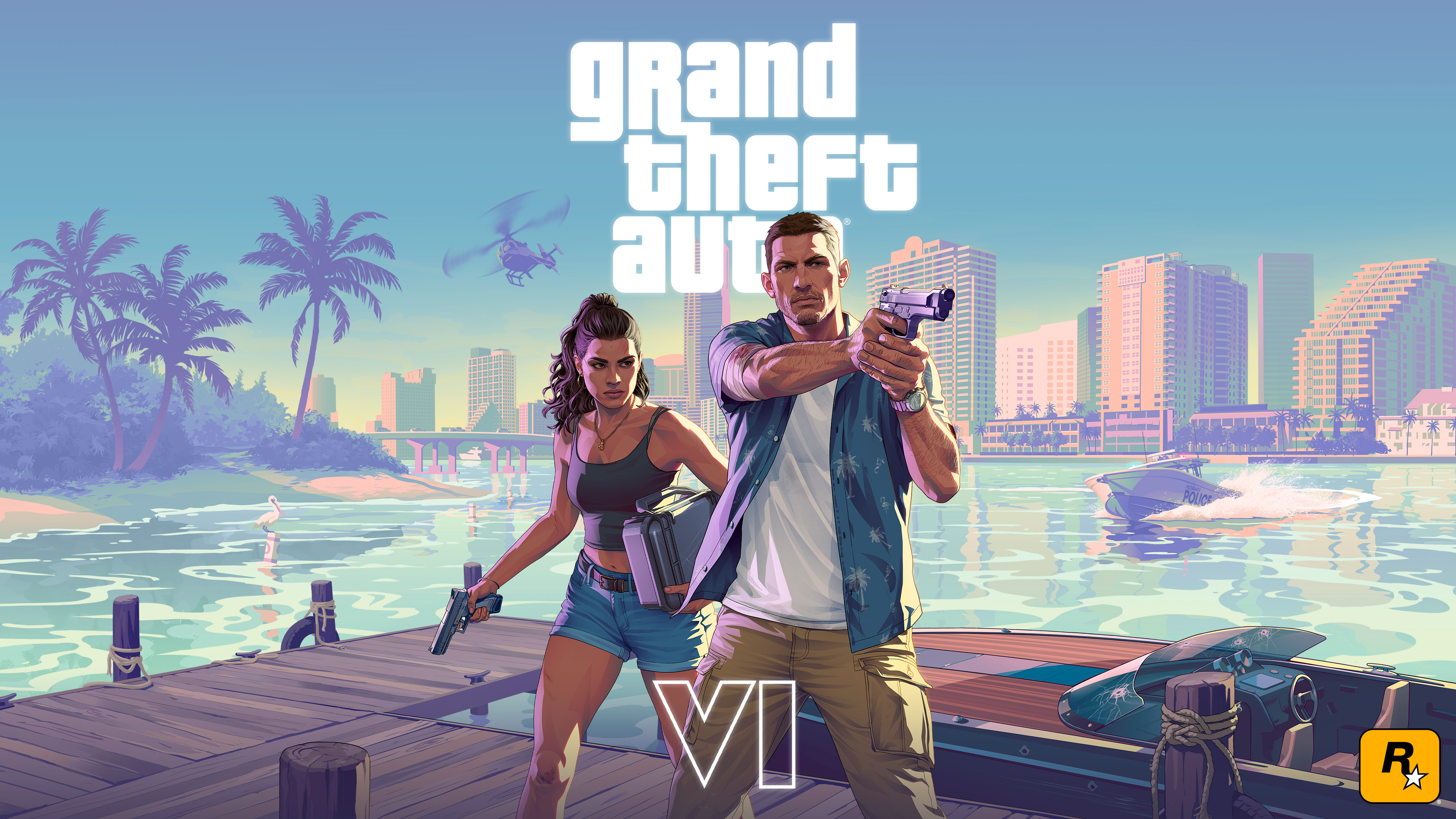
GamesGTA 6 lands November 19. The drip-feed continues to work.
Rockstar dropped a 32-second clip on June 18 with cover art, a pre-order date, and a release date. That was the gaming news of the week.
-
 Games
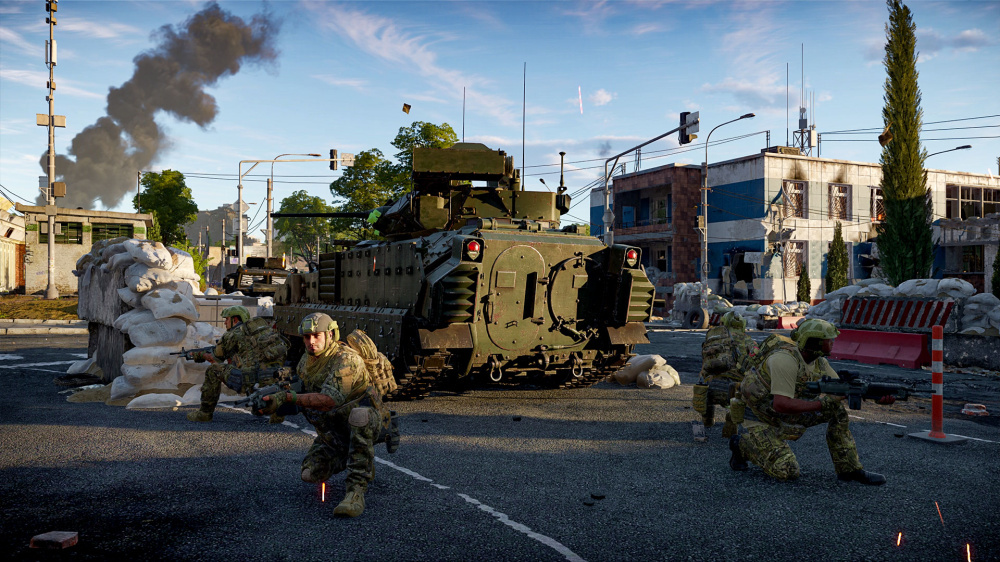
GamesWhat is actually going on with War Thunder
There is an active argument between War Thunder players, content creators, and Gaijin Entertainment. The argument has multiple threads and a long history. Here is what is actually in it.